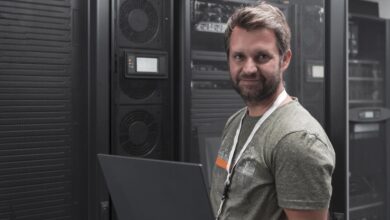
Ever wondered who keeps the digital heartbeat of a company ticking? Meet the systems manager — the unsung hero orchestrating technology, people, and processes behind the scenes. This isn’t just a job; it’s a mission-critical role in today’s tech-driven world.




What Is a Systems Manager? The Core Definition

A systems manager is a professional responsible for overseeing, maintaining, and optimizing an organization’s IT infrastructure. This includes computer systems, networks, software, and security protocols. They ensure that technology aligns with business goals, runs efficiently, and scales with growth.
Key Responsibilities of a Systems Manager
The role of a systems manager is multifaceted, blending technical expertise with strategic planning. Their day-to-day tasks are crucial to keeping operations smooth and secure.
systems manager – Systems manager menjadi aspek penting yang dibahas di sini.
- Monitoring system performance and troubleshooting issues
- Implementing and managing operating systems and servers
- Ensuring data security and compliance with regulations
- Planning for system upgrades and capacity expansion
- Coordinating with other IT teams and departments
According to the U.S. Bureau of Labor Statistics, systems managers often work closely with network architects and cybersecurity experts to design robust IT environments.
How It Differs From Similar Roles
While often confused with roles like IT manager or network administrator, a systems manager has a more specialized focus on the integration and optimization of complex computing systems.
- IT Manager: Focuses on broader IT operations, budgeting, and team leadership.
- Network Administrator: Primarily handles network setup and maintenance.
- Systems Manager: Bridges both worlds, focusing on system-wide performance, automation, and cross-platform integration.
“A systems manager doesn’t just fix problems — they anticipate them.” — Tech Leadership Journal, 2023
7 Critical Roles of a Systems Manager in Modern Organizations
The influence of a systems manager extends far beyond the server room. They play seven pivotal roles that are essential for organizational resilience and innovation.
systems manager – Systems manager menjadi aspek penting yang dibahas di sini.
1. Infrastructure Architect
Systems managers design and maintain the backbone of an organization’s IT environment. This includes on-premise servers, cloud platforms, and hybrid setups.
- Choosing between cloud providers like AWS, Azure, or Google Cloud
- Designing scalable architectures using tools like Kubernetes or Docker
- Ensuring high availability and disaster recovery plans are in place
For example, a systems manager at a fintech startup might deploy a microservices architecture on AWS to ensure low latency and high uptime. Resources from AWS Architecture Center are often used as blueprints.
2. Security Guardian
In an era of rising cyber threats, systems managers are frontline defenders of organizational data.
systems manager – Systems manager menjadi aspek penting yang dibahas di sini.
- Implementing firewalls, intrusion detection systems (IDS), and endpoint protection
- Conducting regular vulnerability assessments and penetration testing
- Enforcing compliance with standards like ISO 27001, HIPAA, or GDPR
A systems manager must stay updated on the latest threats. The Cybersecurity and Infrastructure Security Agency (CISA) provides critical alerts and best practices used globally.
3. Performance Optimizer
Speed, efficiency, and reliability are non-negotiable in modern IT. Systems managers continuously monitor and tune system performance.
- Using monitoring tools like Nagios, Zabbix, or Datadog
- Identifying bottlenecks in CPU, memory, or disk I/O usage
- Optimizing database queries and application response times
For instance, a systems manager at an e-commerce platform might use load testing tools like JMeter to simulate Black Friday traffic and prevent crashes.
systems manager – Systems manager menjadi aspek penting yang dibahas di sini.
4. Change Manager
Technology evolves rapidly. Systems managers lead the adoption of new tools, upgrades, and migrations.
- Planning and executing OS upgrades (e.g., Windows Server 2022 migration)
- Managing software rollouts across departments
- Documenting changes and ensuring rollback plans are ready
They often follow frameworks like ITIL (Information Technology Infrastructure Library) to standardize change management processes. Learn more at Axelos ITIL.
5. Cost Controller
Systems managers aren’t just tech experts — they’re also financial stewards of IT budgets.
systems manager – Systems manager menjadi aspek penting yang dibahas di sini.
- Negotiating vendor contracts for software and hardware
- Right-sizing cloud resources to avoid over-provisioning
- Conducting cost-benefit analyses for new technologies
A well-managed cloud environment can save companies up to 30% in operational costs, according to a 2023 report by Gartner.
6. Team Leader and Mentor
Even in technical roles, leadership is key. Systems managers often supervise junior IT staff and foster a culture of continuous learning.
- Conducting performance reviews and setting development goals
- Organizing training sessions on new tools or security protocols
- Encouraging certifications like CompTIA, CCNA, or AWS Certified Solutions Architect
Effective leadership can reduce team turnover by up to 40%, as noted in a Harvard Business Review study.
systems manager – Systems manager menjadi aspek penting yang dibahas di sini.
7. Strategic Advisor to Executives
Top-performing systems managers are not just implementers — they’re strategic partners to C-suite executives.
- Presenting IT roadmaps aligned with business goals
- Advising on digital transformation initiatives
- Assessing risks and opportunities in emerging tech like AI or blockchain
They translate technical jargon into business impact, helping CEOs understand how a new ERP system can improve supply chain efficiency by 25%.
Essential Skills Every Systems Manager Must Have
To excel in this dynamic role, systems managers need a balanced mix of technical, analytical, and soft skills.
systems manager – Systems manager menjadi aspek penting yang dibahas di sini.
Technical Proficiency
Deep technical knowledge is the foundation of a systems manager’s expertise.
- Mastery of operating systems: Windows Server, Linux (Red Hat, Ubuntu)
- Networking fundamentals: TCP/IP, DNS, VLANs, firewalls
- Scripting and automation: PowerShell, Bash, Python
- Virtualization: VMware, Hyper-V, or KVM
- Cloud platforms: AWS, Azure, or Google Cloud Platform
For example, automating routine backups using PowerShell scripts can save hundreds of hours annually.
Problem-Solving and Analytical Thinking
Systems managers must diagnose complex issues under pressure.
systems manager – Systems manager menjadi aspek penting yang dibahas di sini.
- Using root cause analysis (RCA) to resolve recurring outages
- Interpreting logs and performance metrics to identify anomalies
- Designing failover systems to minimize downtime
A systems manager might use the 5 Whys technique to trace a server crash back to a misconfigured firewall rule.
Communication and Leadership
Even the best technical skills are useless without the ability to communicate clearly.
- Explaining technical risks to non-technical stakeholders
- Writing clear documentation and incident reports
- Leading cross-functional teams during system migrations
Strong communication reduces project delays by up to 50%, according to research from the Project Management Institute.
systems manager – Systems manager menjadi aspek penting yang dibahas di sini.
How to Become a Systems Manager: A Step-by-Step Guide
Becoming a systems manager is a journey that combines education, experience, and continuous learning.
1. Earn a Relevant Degree
Most systems managers hold a bachelor’s degree in computer science, information technology, or a related field.
- Common courses: Networking, operating systems, database management
- Some employers prefer candidates with a master’s in IT management or MBA with tech focus
Universities like MIT and Stanford offer online courses through platforms like edX and Coursera.
systems manager – Systems manager menjadi aspek penting yang dibahas di sini.
2. Gain Hands-On Experience
Practical experience is crucial. Start in entry-level IT roles.
- Help desk technician
- Network administrator
- Systems analyst
Many systems managers spend 3–5 years in these roles before advancing.
3. Obtain Industry Certifications
Certifications validate expertise and boost credibility.
systems manager – Systems manager menjadi aspek penting yang dibahas di sini.
- CompTIA A+: Foundational IT knowledge
- Microsoft Certified: Azure Administrator: Cloud management
- Red Hat Certified Engineer (RHCE): Linux systems
- ITIL Foundation: Service management best practices
The CompTIA A+ certification is often the first step for aspiring systems managers.
Top Tools and Technologies Used by Systems Managers
Modern systems managers rely on a powerful toolkit to manage complex environments efficiently.
Monitoring and Management Tools
These tools provide real-time visibility into system health.
systems manager – Systems manager menjadi aspek penting yang dibahas di sini.
- Nagios: Open-source monitoring for servers, switches, and applications
- Datadog: Cloud-scale monitoring with AI-powered alerts
- Zabbix: Enterprise-grade monitoring with customizable dashboards
Datadog, for instance, is used by companies like Airbnb and Shopify to monitor millions of metrics.
Automation and Configuration Management
Automation reduces human error and increases efficiency.
- Ansible: Agentless automation for configuration and deployment
- Puppet: Centralized management of infrastructure as code
- Terraform: Infrastructure provisioning on cloud platforms
A systems manager might use Terraform to automatically deploy 100 virtual machines across AWS and Azure.
systems manager – Systems manager menjadi aspek penting yang dibahas di sini.
Security and Compliance Tools
Protecting data is non-negotiable.
- SIEM (Security Information and Event Management): Tools like Splunk or IBM QRadar
- Endpoint Protection: Solutions like CrowdStrike or Microsoft Defender
- Vulnerability Scanners: Nessus or OpenVAS
Splunk is widely used for log analysis and threat detection in large enterprises.
Challenges Faced by Systems Managers Today
Despite their critical role, systems managers face numerous challenges in a fast-evolving tech landscape.
systems manager – Systems manager menjadi aspek penting yang dibahas di sini.
1. Cybersecurity Threats
Ransomware, phishing, and zero-day exploits are constant threats.
- Systems managers must stay ahead of attackers with proactive defense strategies
- Regular patching and employee training are essential
The 2023 Verizon Data Breach Investigations Report found that 83% of breaches involved external actors.
2. Cloud Complexity
Multi-cloud and hybrid environments increase management difficulty.
systems manager – Systems manager menjadi aspek penting yang dibahas di sini.
- Tracking costs across AWS, Azure, and GCP can be overwhelming
- Ensuring consistent security policies across platforms is challenging
Tools like CloudHealth by VMware help systems managers gain visibility and control.
3. Skill Gaps and Talent Shortage
There’s a global shortage of skilled IT professionals.
- 70% of organizations report difficulty hiring qualified systems managers (ISC² 2023)
- Continuous learning is required to keep up with new technologies
Investing in training and certifications can bridge this gap.
systems manager – Systems manager menjadi aspek penting yang dibahas di sini.
The Future of the Systems Manager Role
The role of the systems manager is evolving rapidly due to technological advancements and changing business needs.
Impact of Artificial Intelligence and Automation
AI is transforming how systems are managed.
- AI-driven monitoring tools can predict failures before they occur
- Chatbots and automated scripts handle routine support tasks
- Machine learning optimizes resource allocation in real time
For example, Google’s SRE (Site Reliability Engineering) teams use AI to auto-resolve 70% of common incidents.
systems manager – Systems manager menjadi aspek penting yang dibahas di sini.
Rise of DevOps and SRE
The lines between development and operations are blurring.
- Systems managers are adopting DevOps practices for faster deployment
- Site Reliability Engineering (SRE) principles emphasize automation and scalability
- Collaboration with developers is now a core part of the role
Google’s SRE book is a must-read for modern systems managers.
Remote Work and Distributed Systems
The shift to remote work has increased demand for secure, scalable systems.
systems manager – Systems manager menjadi aspek penting yang dibahas di sini.
- Managing endpoints across global locations
- Ensuring secure access via Zero Trust architectures
- Supporting hybrid work models with robust collaboration tools
Systems managers now design networks that support employees from home, cafes, or co-working spaces.
What does a systems manager do?
A systems manager oversees an organization’s IT infrastructure, ensuring systems are secure, efficient, and aligned with business goals. They manage servers, networks, security, and lead technical teams.
How much does a systems manager earn?
According to the U.S. Bureau of Labor Statistics, the median annual wage for computer and information systems managers was $162,000 in 2023, with top earners exceeding $230,000.
Is systems management a good career?
Yes, it’s a high-demand, well-paying career with strong growth prospects. The BLS projects 10% job growth from 2022 to 2032, faster than average.
What certifications are best for a systems manager?
Top certifications include CompTIA A+, Microsoft Azure Administrator, AWS Certified Solutions Architect, ITIL Foundation, and CISSP for security-focused roles.
Can a systems manager work remotely?
Yes, many systems management tasks can be performed remotely using cloud tools and remote access software, especially in organizations with mature IT infrastructures.
The systems manager is no longer just a backend technician — they are a strategic leader, a security guardian, and a digital architect shaping the future of organizations. As technology continues to evolve, the demand for skilled systems managers will only grow. Whether you’re aspiring to become one or looking to hire, understanding this role’s depth and impact is essential in today’s digital world.
Further Reading: