Ever wondered how your phone knows when to buzz or your laptop decides to pop up a message? System notifications are the silent messengers shaping your digital experience—here’s everything you need to know.


What Are System Notifications?

At their core, system notifications are automated alerts generated by an operating system or software to inform users about events, updates, or changes. These messages serve as a bridge between the user and the device, ensuring you stay informed without needing to constantly check every app or process.
Definition and Core Function
System notifications are messages triggered by the operating system (OS) to communicate essential information. Unlike app-specific alerts, these are deeply integrated into the OS and often relate to hardware status, security updates, connectivity, or system performance.
- They originate from the OS kernel or system-level daemons.
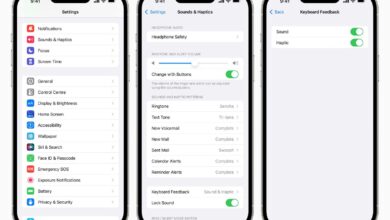
- They can be visual (banners, pop-ups), auditory (sounds), or haptic (vibrations).
- They are designed to be non-intrusive yet noticeable.
“System notifications are the nervous system of modern computing—silent, automatic, and essential.” — TechRadar, 2023
Evolution Across Operating Systems
From simple beep codes in early PCs to today’s rich, interactive alerts, system notifications have evolved dramatically. Windows introduced balloon tips in XP, macOS refined them with Notification Center in Mountain Lion, and mobile OS like Android and iOS turned them into a central user experience feature.
- Windows: From tray icons to Action Center.
- macOS: Unified notifications with focus modes.
- Linux: Highly customizable via desktop environments like GNOME or KDE.
- Mobile: Push-based, priority-driven alerts with rich media support.
For a deeper dive into OS-level notification architecture, check out Android’s official documentation.
How System Notifications Work Under the Hood
Beneath the surface, system notifications rely on complex inter-process communication, event listeners, and priority engines. Understanding this helps developers and power users optimize their systems.
Notification Architecture and Flow
The process begins when a system event—like low battery or network change—triggers a signal. This signal is picked up by a notification manager, which formats and dispatches the alert based on user preferences.
- Event detection: Sensors or background services detect changes.
- Signal emission: The system emits a signal via APIs like D-Bus (Linux) or NSNotificationCenter (macOS).
- Rendering: The UI component displays the notification in the designated area.
On Android, the UserNotifications framework standardizes this flow across apps and system services.
Role of APIs and Daemons
System notifications depend on background processes called daemons. For example, notify-osd in Ubuntu or notificationcenterd in macOS handle rendering and user interaction.
- APIs like Android’s
NotificationManagerallow apps to post alerts. - Daemons manage queuing, prioritization, and dismissal.
- Security layers ensure only authorized processes can trigger critical alerts.
“Without robust APIs, system notifications would be chaotic and unreliable.” — Stack Overflow, Developer Insights 2022
Types of System Notifications
Not all alerts are created equal. System notifications come in various forms, each serving a distinct purpose and urgency level.
Urgent vs. Non-Urgent Alerts
Urgent notifications demand immediate attention—like security breaches or hardware failure. Non-urgent ones, such as software update reminders, can wait.
- Urgent: Low battery, overheating, login attempts.
- Non-urgent: Disk cleanup suggestions, driver update availability.
- Urgent alerts often bypass silent modes and trigger sounds/vibrations.
Visual, Auditory, and Haptic Variants
Modern systems use multi-sensory feedback to ensure messages are received.
- Visual: Pop-ups, banners, status bar icons.
- Auditory: Custom sounds for different alert types.
- Haptic: Vibration patterns on mobile devices.
Apple’s Haptic Touch guide explains how iOS integrates touch feedback with notifications.
Customization and User Control
One size doesn’t fit all. Users expect control over how and when they receive system notifications.
Personalization Options Across Platforms
From Windows Settings to Android’s Digital Wellbeing, platforms offer granular control.
- Adjust notification sounds per category.
- Enable/disable vibrations for specific alerts.
- Customize banner duration and pop-up behavior.
Linux users can tweak notifications using tools like dconf-editor or GNOME Extensions.
Managing Notification Fatigue
Too many alerts lead to notification fatigue—a real issue affecting productivity and mental focus.
- Use focus modes (e.g., Do Not Disturb, Work Profile).
- Batch non-critical alerts to specific times.
- Disable redundant system messages (e.g., “Printer offline” if unused).
“The average user receives over 60 system and app notifications daily—many are ignored.” — Nielsen Norman Group, 2023
Security and Privacy Implications of System Notifications
While helpful, system notifications can expose sensitive data or be exploited by malicious actors.
Data Exposure Risks
Notifications displayed on lock screens may reveal private information—like email previews or message content.
- Default settings often show too much detail.
- Public devices are especially vulnerable.
- Employers may monitor system logs containing notification history.
Google’s notification privacy guide advises users to limit sensitive content on lock screens.
Malware and Spoofing Threats
Cybercriminals mimic system notifications to trick users into downloading malware or revealing credentials.
- Fake “Windows Update Required” pop-ups are common phishing tools.
- Malware can hijack notification daemons to display ads.
- Always verify the source—real system alerts don’t ask for passwords.
“Over 30% of phishing attacks in 2023 used fake system notifications.” — Kaspersky Security Report
System Notifications in Enterprise and IT Environments
In corporate settings, system notifications are critical for monitoring, compliance, and user management.
Centralized Monitoring and Alerts
IT departments use tools like Microsoft Intune or Jamf Pro to push system alerts across fleets of devices.
- Alerts for policy violations (e.g., unauthorized software).
- Notifications for mandatory updates or security patches.
- Remote diagnostics triggered by system events.
Microsoft’s Intune platform enables scalable notification management for enterprises.
User Compliance and Policy Enforcement
System notifications enforce IT policies by reminding users of protocols.
- “Your password expires in 2 days” alerts.
- Warnings about unencrypted file transfers.
- Reminders to lock workstations when idle.
“Effective system notifications reduce helpdesk tickets by up to 40%.” — Gartner, 2022
Future Trends in System Notifications
As AI and machine learning advance, system notifications are becoming smarter and more context-aware.
AI-Powered Predictive Alerts
Future systems will anticipate user needs based on behavior patterns.
- AI predicts when you’ll run out of storage and suggests cleanup.
- Smart alerts learn your routine and suppress interruptions during focus time.
- Contextual notifications based on location, calendar, or biometrics.
Google’s AI Blog highlights experiments with predictive alert timing.
Integration with Wearables and IoT
Notifications are expanding beyond phones and laptops.
- Smartwatches deliver haptic alerts for critical system events.
- Home hubs announce network outages or security breaches.
- Car dashboards warn of low firmware updates.
“By 2026, over 70% of system notifications will be delivered outside traditional screens.” — IDC Forecast
What are system notifications?
System notifications are automated messages from an operating system that inform users about hardware status, software updates, security alerts, or system events. They appear as pop-ups, sounds, or vibrations and are essential for user-device communication.
How can I customize system notifications on my device?
You can customize system notifications through your device’s settings menu. Options include changing sounds, enabling silent mode, prioritizing alerts, and controlling lock screen visibility. On Windows, go to Settings > System > Notifications. On macOS, use System Settings > Notifications. Android and iOS offer similar granular controls.
Are system notifications a security risk?
Yes, if not managed properly. Notifications can expose sensitive data on lock screens or be spoofed by malware. To reduce risks, disable preview content on public devices, verify alert sources, and keep your OS updated to prevent exploitation.
Can AI improve system notifications?
Absolutely. AI can analyze user behavior to deliver notifications at optimal times, suppress irrelevant alerts, and even predict issues before they occur—like low disk space or battery drain. This leads to smarter, less intrusive alert systems.
How do enterprises use system notifications?
Enterprises use system notifications for IT policy enforcement, security alerts, and user guidance. Tools like Microsoft Intune allow administrators to push critical updates, warn about compliance issues, and monitor device health across large networks.
System notifications are far more than just pop-ups—they’re a vital layer of interaction between humans and machines. From their technical architecture to their role in security and productivity, understanding them empowers better digital hygiene. As AI and IoT evolve, these alerts will become even more intelligent, personalized, and pervasive. Whether you’re a casual user or an IT professional, mastering system notifications is key to a smoother, safer tech experience.
Recommended for you 👇
Further Reading: