Ever wondered what really runs your smartphone or computer behind the scenes? It’s not magic—it’s system apps. These silent warriors manage everything from booting up your device to securing your data, all without asking for applause.





What Are System Apps?

System apps, also known as system applications or built-in apps, are software programs pre-installed on a device’s operating system by the manufacturer or developer. Unlike user-installed apps you download from app stores, system apps are deeply integrated into the OS and often run essential functions that keep your device operational.
Definition and Core Function
At their core, system apps are designed to perform fundamental tasks necessary for the operation of a device. They are part of the firmware or operating system image and are typically stored in a protected partition of the device’s storage, such as the system partition in Android or the System32 folder in Windows.
- They manage hardware interactions (e.g., camera, GPS, sensors).
- They handle OS-level services like notifications, updates, and security.
- They ensure seamless integration between software and hardware components.
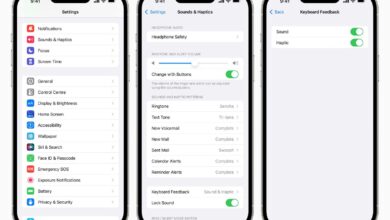
For example, on Android, the Settings app is a system app that allows users to configure device preferences, manage connections, and control privacy settings. Without it, users would have no centralized way to adjust their device’s behavior.
Difference Between System Apps and User Apps
Understanding the distinction between system apps and user-installed apps is crucial for both end-users and developers. While both types of apps run on the same device, they differ significantly in terms of installation, permissions, and removal capabilities.
- Installation Source: System apps come preloaded; user apps are downloaded from app stores or sideloaded.
- Storage Location: System apps reside in the /system partition; user apps go into the /data partition.
- Deletion: Most system apps cannot be uninstalled without root access, whereas user apps can be freely removed.
“System apps are the backbone of any operating system—they’re not just apps, they’re infrastructure.” — TechCrunch, 2022
Another key difference lies in permissions. System apps often have elevated privileges, allowing them to access critical system resources that regular apps cannot. For instance, the Phone app on Android has direct access to the telephony stack, enabling call dialing and SMS handling, which third-party apps must request permission to use.
Types of System Apps Across Platforms
Different operating systems utilize system apps in unique ways, tailored to their architecture and user experience goals. From mobile to desktop environments, the role of system apps varies but remains indispensable.
Android System Apps
Android, developed by Google, is one of the most widely used mobile operating systems globally. Its ecosystem relies heavily on system apps to deliver a cohesive user experience.
- Google Play Services: A core system app that enables location services, push notifications, and Google account synchronization. It acts as a bridge between Google’s cloud services and third-party apps.
- Android System UI: Manages the status bar, navigation bar, and recent apps menu. Without it, the visual interface would collapse.
- Package Installer: Handles the installation and verification of APK files, ensuring app integrity before execution.
Many Android manufacturers like Samsung, Xiaomi, and OnePlus add their own system apps—often referred to as “bloatware”—such as Samsung Health or Mi Fit. While some provide value, others consume resources unnecessarily.
For more details on Android’s system architecture, visit the official Android Developer Guide.
iOS System Apps
Apple’s iOS takes a more restrictive approach. All pre-installed apps like Phone, Messages, Safari, and Settings are system apps with deep OS integration. Unlike Android, iOS does not allow users to uninstall most of these apps—even the ones rarely used.
- SpringBoard: The iOS launcher that manages the home screen and app icons.
- Backboard: Handles touch input and gesture recognition at the system level.
- Mediaserverd: Processes audio and video playback, crucial for smooth media performance.
Apple began allowing the removal of some system apps (like Stocks or Tips) starting with iOS 10, but they remain present in the system partition and can be re-downloaded. This reflects Apple’s philosophy of maintaining a clean, controlled user experience.
Learn more about iOS internals at Apple Developer Documentation.
Windows System Apps
On Windows 10 and 11, Microsoft introduced a new generation of system apps built using the Universal Windows Platform (UWP). These include Mail, Calendar, Photos, and Microsoft Edge.
- Windows Shell Experience Host: Renders UI elements like the taskbar, Start menu, and Action Center.
- Runtime Broker: Manages app permissions and resource usage for UWP apps.
- Start Menu: A system-level interface component that allows quick access to apps and settings.
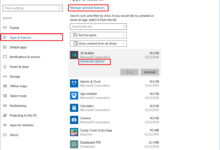
Unlike traditional desktop applications, these modern system apps are sandboxed for security but still have system-level privileges when needed. Some can be uninstalled via PowerShell, though core components remain non-removable.
Explore Windows system architecture at Microsoft Learn.
Why System Apps Are Essential
System apps are not just convenient—they are mission-critical. Without them, modern computing devices would fail to function properly. Their importance spans across stability, security, and usability.
Ensuring Device Stability
One of the primary roles of system apps is to maintain the stability of the operating system. They manage background processes, handle system crashes, and coordinate resource allocation.
- They prevent conflicts between hardware drivers and software services.
- They monitor system health and trigger recovery mechanisms when needed.
- They manage boot sequences, ensuring the OS loads correctly every time.
For example, the init process in Linux-based systems (including Android) is the first system app to run during boot. It initializes system services and spawns other critical processes. If it fails, the device won’t start.
Enhancing Security and Privacy
System apps play a pivotal role in protecting user data and device integrity. They enforce security policies, manage encryption, and authenticate user access.
- Gatekeeper on Android verifies user credentials during unlock.
- Trusted Execution Environment (TEE) apps handle sensitive operations like fingerprint authentication.
- Google Play Protect scans installed apps for malware in the background.
These apps operate in secure environments with minimal exposure to external threats. Their code is often signed by the OS vendor, ensuring authenticity and preventing tampering.
“Over 90% of Android security features rely on system apps to function.” — Android Security Report 2023
Enabling Seamless User Experience
System apps ensure that users can interact with their devices intuitively. From touch input to voice assistants, they provide the invisible glue that connects hardware and software.
- They standardize UI components across apps (e.g., dialogs, menus).
- They enable cross-app functionality like copy-paste, sharing, and drag-and-drop.
- They support accessibility features such as screen readers and voice control.
For instance, the Accessibility Manager in Android is a system app that routes user inputs to assistive services, making devices usable for people with disabilities.
Common Examples of System Apps
To better understand system apps, let’s look at real-world examples across different platforms. These apps may seem ordinary, but their underlying functions are anything but.
Android: Google Play Services
Google Play Services is arguably the most important system app on Android devices. It’s not a user-facing app, yet it powers countless features.
- Provides APIs for location, maps, and Google Sign-In.
- Enables Firebase Cloud Messaging (FCM) for push notifications.
- Supports Google Ads and analytics for developers.
It runs in the background and updates independently of the OS through the Google Play Store. This modular update system allows Google to patch security flaws and add features without requiring a full OS upgrade.
Visit Google Play Services on Play Store for more info.
iOS: SpringBoard
SpringBoard is the iOS system app responsible for the home screen. It manages app icons, folders, widgets, and the overall launch experience.
- Handles app launching and switching.
- Manages home screen animations and transitions.
- Integrates with Spotlight search and Siri suggestions.
While users don’t interact with it directly, any crash in SpringBoard results in a respring (reloading of the UI), showing how central it is to the iOS experience.
Windows: Windows Update
The Windows Update system app ensures devices stay secure and up-to-date. It runs silently in the background but is critical for long-term device health.
- Downloads and installs security patches and feature updates.
- Manages update scheduling and rollback options.
- Integrates with Microsoft Defender for threat intelligence updates.
It communicates with Microsoft’s servers to check for updates and can pause downloads during metered connections, showing intelligent resource management.
Can You Remove or Disable System Apps?
This is one of the most frequently asked questions about system apps: can you get rid of them? The answer depends on the platform, device, and user privileges.
Android: Disabling vs. Uninstalling
On standard Android devices without root access, users cannot uninstall most system apps. However, they can often disable them.
- Disabling hides the app from the app drawer and stops it from running.
- Uninstalling removes the app completely—only possible with root or ADB commands.
- Some system apps cannot be disabled if they are critical (e.g., System UI).
To disable a system app:
- Go to Settings > Apps.
- Find the app and tap it.
- If available, tap Disable.
Using ADB (Android Debug Bridge), advanced users can remove system apps with commands like:
adb shell pm uninstall --user 0 com.android.bloatware.app
This removes the app for the current user without altering the system partition.
iOS: Limited Removal Options
iOS offers very limited control over system apps. While Apple allows deletion of some (like Podcasts or Voice Memos), the app remains in the system and can be re-downloaded.
- No disabling option—only remove or keep.
- Critical apps like Phone and Messages cannot be removed.
- Removal doesn’t free up system storage, only user-visible space.
This reflects Apple’s design philosophy: a curated, consistent experience across all devices.
Windows: Using PowerShell
Windows 10/11 allows removal of certain modern system apps using PowerShell commands.
- Open PowerShell as Administrator.
- Use commands like
Get-AppxPackage *Mail* | Remove-AppxPackage. - Some apps can be reinstalled later via the Store.
However, core system components like Explorer or Start cannot be removed, as they are essential for OS functionality.
“Removing the wrong system app can brick your device. Proceed with caution.” — PCMag, 2023
Security Risks and Vulnerabilities in System Apps
While system apps are designed to enhance security, they can also become attack vectors if compromised. Due to their high privileges, vulnerabilities in system apps are particularly dangerous.
Privilege Escalation Threats
Because system apps run with elevated permissions, a flaw in one can allow attackers to gain full control over the device.
- In 2021, a vulnerability in Android’s System UI allowed remote code execution via malicious notifications.
- Apple patched a zero-day in SpringBoard in 2022 that could be triggered by visiting a malicious website.
- Windows’ LSASS (Local Security Authority Subsystem Service) has been targeted in ransomware attacks.
These incidents highlight the need for rigorous code auditing and timely updates.
Bloatware and Hidden Malware
Some manufacturers preload system apps that are not only unnecessary but potentially harmful.
- In 2016, Bluebox Security discovered pre-installed system apps on certain Android devices that contained spyware.
- Xiaomi and Lenovo have faced criticism for bundling aggressive ad-supported system apps.
- Some “system optimizer” apps on Windows are actually disguised adware.
These apps often cannot be uninstalled, making them persistent threats to privacy and performance.
Update Delays and Fragmentation
One of the biggest challenges in system app security is delayed updates, especially on Android.
- Google releases monthly security patches, but OEMs may take months to deploy them.
- Older devices often stop receiving updates, leaving system apps vulnerable.
- iOS fares better due to centralized control, but older models still face update cutoffs.
This fragmentation creates a large attack surface, especially in enterprise environments.
How Developers Interact With System Apps
For app developers, understanding system apps is crucial for building compatible, secure, and high-performing applications.
Using System APIs
Most third-party apps rely on system apps to access hardware and OS features.
- Camera apps use the Camera Service system app to capture photos.
- Navigation apps depend on Google Play Services for GPS and geocoding.
- Chat apps use Notification Manager to display alerts.
These interactions happen through Application Programming Interfaces (APIs) exposed by system apps. Developers must follow strict guidelines to ensure compatibility and security.
Handling Permissions
System apps often control access to sensitive data. Developers must request permissions that are then mediated by system components.
- Android’s Permission Manager system app handles user consent.
- iOS uses Privacy Preferences to manage access to location, contacts, and photos.
- Windows employs User Account Control (UAC) for administrative actions.
Misusing permissions can lead to app rejection from app stores or user distrust.
Debugging and Testing
Developers use tools like ADB, Xcode, and Visual Studio to test how their apps interact with system components.
- ADB allows logging system app behavior on Android.
- Xcode’s Instruments can trace iOS system calls.
- Windows Performance Analyzer helps diagnose system-level bottlenecks.
Understanding system app logs is essential for troubleshooting crashes and performance issues.
The Future of System Apps
As technology evolves, so do system apps. Emerging trends in AI, cloud computing, and modular OS design are reshaping their role.
AI-Powered System Apps
Artificial intelligence is being integrated into system apps to enhance automation and personalization.
- Google’s Now On Tap (now evolved into Assistant) used AI to analyze context from system apps.
- Windows 11’s Copilot is a system-level AI assistant.
- Apple’s Siri is deeply integrated into system apps like Messages and Calendar.
These AI-driven features rely on system apps to access real-time data and deliver intelligent responses.
Modular and Updatable System Apps
Modern OS designs are moving toward modular system apps that can be updated independently.
- Android’s Project Mainline allows Google to update critical system components via the Play Store.
- iOS updates many system apps (like Weather or Stocks) separately from the OS.
- Windows uses Feature Experience Packs to deliver UI updates without full OS upgrades.
This reduces fragmentation and improves security by enabling faster patch delivery.
Privacy-First Design
With growing concerns over data privacy, future system apps will prioritize transparency and user control.
- Android 14 introduces stricter background app limits.
- iOS 17 enhances app tracking transparency.
- Windows 11 offers detailed privacy dashboards.
System apps will increasingly act as gatekeepers, ensuring that user data is accessed only with explicit consent.
What are system apps?
System apps are pre-installed software programs that are part of a device’s operating system. They perform essential functions like managing hardware, security, and user interface, and are typically not removable without special permissions.
Can I uninstall system apps?
On most devices, you cannot uninstall system apps without root (Android), jailbreak (iOS), or administrative tools (Windows). However, many can be disabled to prevent them from running.
Are system apps safe?
Most system apps from trusted vendors (Google, Apple, Microsoft) are safe. However, preloaded apps from some manufacturers may contain bloatware or privacy risks. Keeping your OS updated minimizes security vulnerabilities.
Why do system apps consume battery?
Some system apps run in the background to provide essential services (e.g., location, sync, notifications). While necessary, they can impact battery life. Monitoring usage in settings can help identify resource-heavy apps.
How do system apps affect performance?
Well-optimized system apps enhance performance by managing resources efficiently. However, poorly coded or excessive bloatware can slow down devices, increase boot time, and consume memory.
System apps are the invisible foundation of modern computing. From booting your phone to securing your data, they work silently but powerfully behind the scenes. While often overlooked, their role in stability, security, and user experience is irreplaceable. As technology advances, system apps will become smarter, more modular, and more privacy-conscious, continuing to shape how we interact with our devices. Understanding them empowers users to make informed decisions and developers to build better software.
Further Reading: